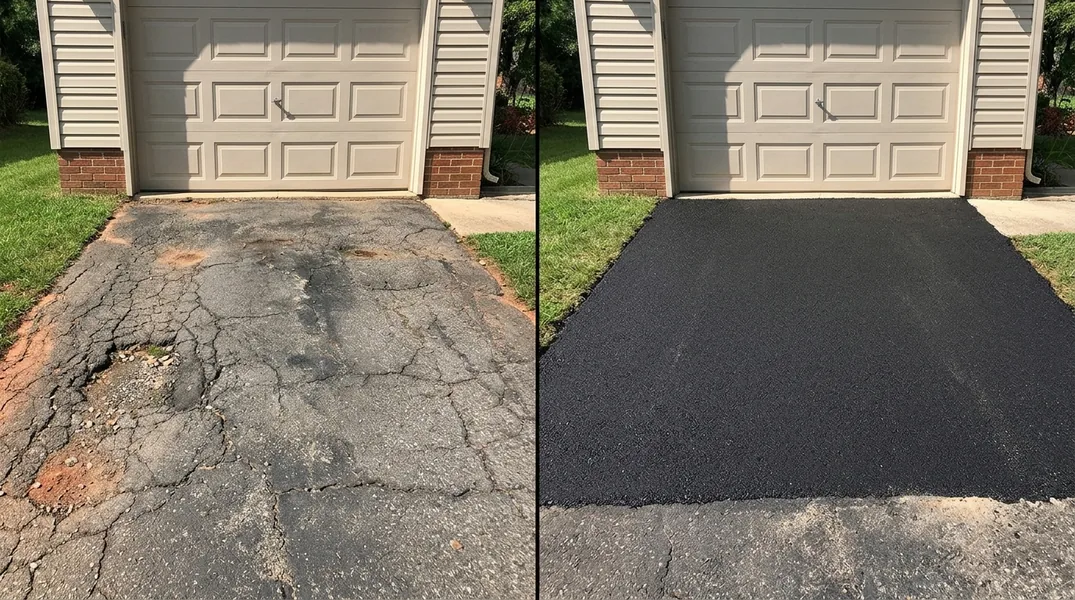
What Are Alligator Cracks and Why Do They Form?
Alligator cracks, also called fatigue cracks or crazing, are a distinctive pattern of interconnected cracks that resemble the scales on an alligator's back. If you've noticed this pattern developing on your Charlotte driveway, you're not alone. This type of cracking is one of the most common signs of asphalt distress that homeowners encounter, and understanding what causes it is the first step toward making an informed repair decision.
Alligator cracks typically develop due to a combination of factors working together over time. The primary cause is structural failure in the base layer beneath the asphalt surface. When the foundation shifts, settles unevenly, or lacks proper compaction, the asphalt above it experiences stress that it cannot adequately distribute. This stress concentrates at specific points, causing the material to crack. Additionally, repeated freeze-thaw cycles common in the Charlotte area can exacerbate this problem. Water seeps into small cracks and expands when it freezes, pushing the asphalt apart and widening existing damage. Heavy vehicle traffic, particularly from delivery trucks or commercial vehicles, accelerates the process by adding constant stress to a weakening surface.
The Early Stages: When Repair Makes Sense
If you catch alligator cracking in its early stages, when the pattern is small and isolated to a limited area of your driveway, Driveway Repair is often the most cost-effective solution. Early intervention can prevent the problem from spreading and requiring more extensive work later. At this stage, a qualified contractor can typically address the issue through targeted patching or crack filling, which stabilizes the affected area and prevents water infiltration that would otherwise accelerate deterioration.
Recognizing early alligator cracking requires regular inspection of your driveway. Look for small sections where cracks branch off in multiple directions, creating that characteristic web-like pattern. If the affected area is less than 10 to 15 percent of your total driveway surface and the cracks haven't yet caused pieces of asphalt to break free, repair is usually viable. Professional Pothole Repair & Asphalt Patching services can clean out the damaged area, apply a bonding agent, and fill it with fresh asphalt mix. This approach typically costs significantly less than full replacement and can extend your driveway's life by several years when combined with proper maintenance.
Advanced Alligator Cracking: Signs That Replacement Is Necessary
When alligator cracking has progressed to cover more than 20 to 30 percent of your driveway surface, or when multiple interconnected areas show this pattern across different sections, replacement becomes the more practical choice. At this stage, the underlying structural problems are extensive, and patching individual areas will only provide temporary relief. The damage indicates that your asphalt has reached the end of its serviceable life, and continued repairs will become increasingly expensive and less effective over time.
Beyond the extent of cracking, you should also consider the overall condition of your driveway surface. If alligator cracks are accompanied by rutting (permanent depressions from vehicle traffic), severe potholes, or widespread surface raveling (where small pieces of aggregate are breaking free), these are additional indicators that Asphalt Driveway Paving & Installation is the appropriate solution. A professional inspection can help you understand whether your specific situation warrants repair or replacement. When the structural integrity has been compromised to this degree, attempting repairs is like putting a band-aid on a deeper problem. Full replacement ensures a properly constructed driveway with appropriate base preparation, correct asphalt mix design, and professional installation that will provide many years of reliable service.
How Long for Asphalt to Cure and When Can You Use Your Driveway?
One common question homeowners ask after choosing replacement or major resurfacing work is how long the curing process takes. Understanding the timeline for how long for asphalt to cure is important for planning your activities and protecting your investment. Fresh asphalt begins to harden relatively quickly, but the curing process continues for an extended period. Most asphalt reaches initial set (where you can walk on it without leaving footprints) within 24 to 48 hours under normal weather conditions, depending on temperature and humidity.
However, how long before you can drive on new asphalt is a different question than when it's technically dry. While you may be able to drive on your new driveway after 48 hours, the asphalt continues to cure and strengthen for weeks afterward. Charlotte Asphalt Paving typically recommends waiting at least 7 days before subjecting your new asphalt to heavy vehicle traffic or parking in the same spots repeatedly. During this initial curing period, the asphalt is still relatively soft and can be damaged by concentrated weight or sharp turns. Full curing typically takes 30 to 60 days, during which the asphalt continues to harden and reach its maximum strength. Factors like ambient temperature, asphalt mix design, and weather conditions all influence the exact timeline, so following your contractor's specific recommendations is essential.
New Asphalt Driveway Care: Protecting Your Investment
Once your new or repaired driveway is installed, proper new asphalt driveway care is critical to maximizing its lifespan and preventing premature alligator cracking from returning. The most important step is allowing adequate curing time before exposing the surface to harsh conditions. Avoid parking heavy vehicles on the new asphalt during the first week, and try to minimize foot traffic as well. Keep water away from the surface during the curing period, as moisture can interfere with the hardening process. If rain is forecast shortly after installation, your contractor may recommend postponing the work to ensure optimal results.
Beyond the initial curing phase, establishing a regular maintenance routine is essential. This includes keeping your driveway clean by sweeping away debris and washing away dirt and salt residue, especially during winter months. Repair small cracks promptly before they have a chance to spread into alligator patterns. Most importantly, seal your driveway regularly to protect the asphalt from oxidation, UV damage, and water penetration. The question of how often to seal driveway surfaces is one that many homeowners ask, and the answer typically depends on your local climate and traffic patterns. In the Charlotte area, most experts recommend seal coating every 2 to 3 years to maintain optimal protection. This preventive measure is one of the most cost-effective ways to extend your driveway's life and avoid the expensive repairs or replacements that become necessary when water damage compromises the base layer.
Getting Professional Guidance: Repair or Replace?
Making the decision between repair and replacement can be challenging without professional expertise. If you're uncertain about the condition of your driveway or the extent of alligator cracking you're seeing, the best approach is to have a qualified contractor perform a thorough evaluation. Charlotte Asphalt Paving offers free inspections and estimates to help you understand your options. During this assessment, a professional can examine the depth and extent of the cracking, evaluate the condition of the base layer if accessible, and provide honest recommendations based on your specific situation.
When you contact Charlotte Asphalt Paving at (980) 890-6626 for a free estimate, you'll receive expert guidance tailored to your driveway's condition and your budget. The team can explain the pros and cons of repair versus replacement in your particular case, provide transparent pricing for each option, and help you make the decision that offers the best long-term value. Whether you ultimately choose targeted repair or full Asphalt Resurfacing & Overlay, professional installation and guidance will ensure you get the results you need. Don't let alligator cracking progress unchecked on your Charlotte driveway. Reach out today to discuss your options and take the first step toward restoring your driveway to excellent condition.
Looking for a professional asphalt paving contractor in Charlotte? Charlotte Asphalt Paving responds fast for all your asphalt paving needs.
Get a Free Quote